No products added!

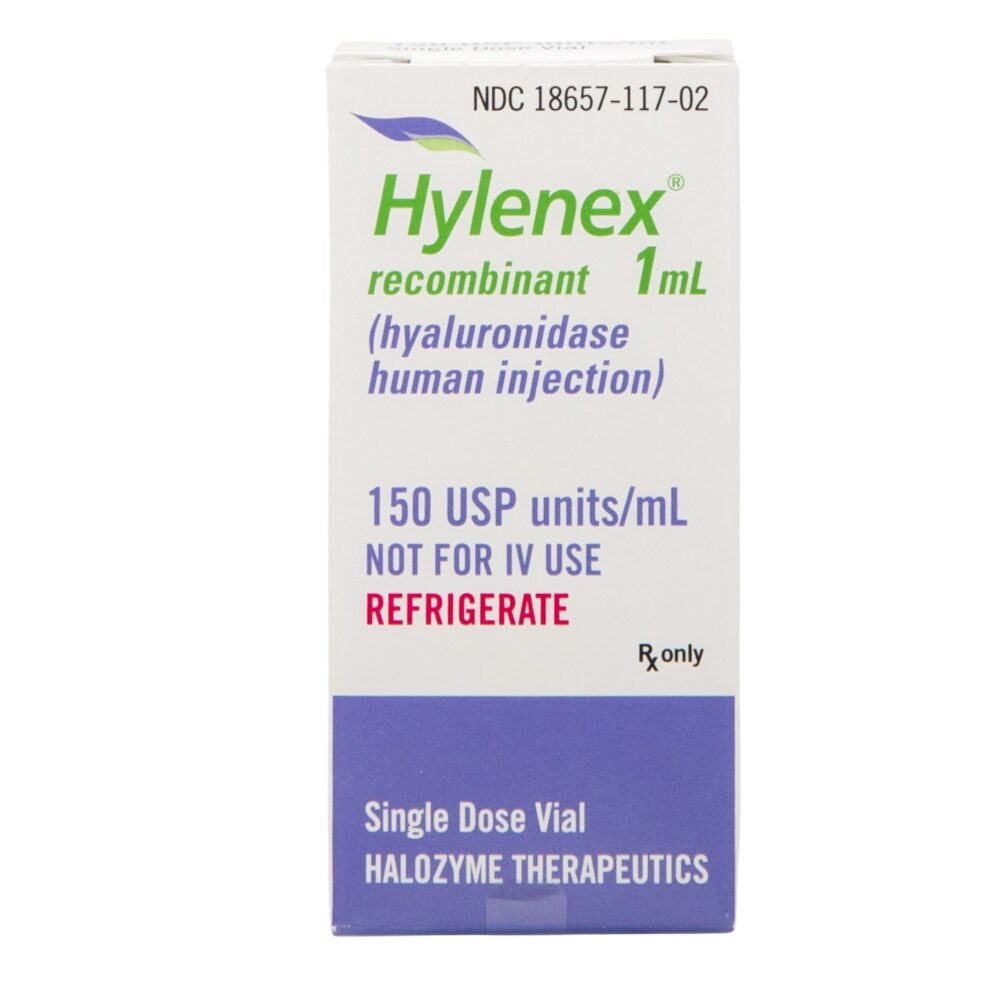
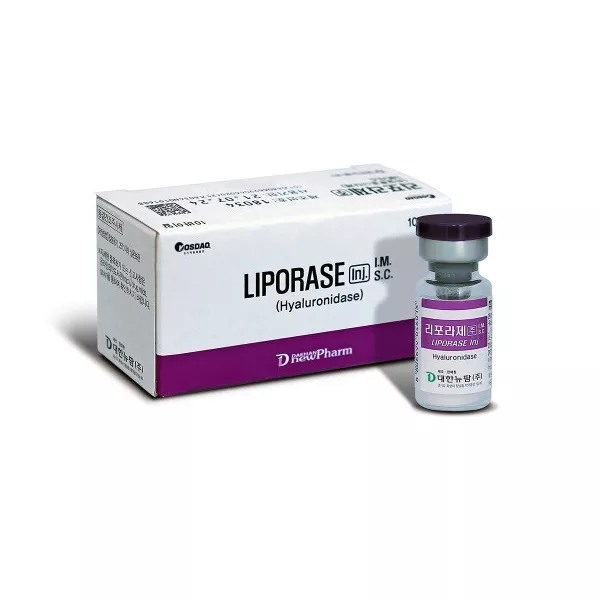
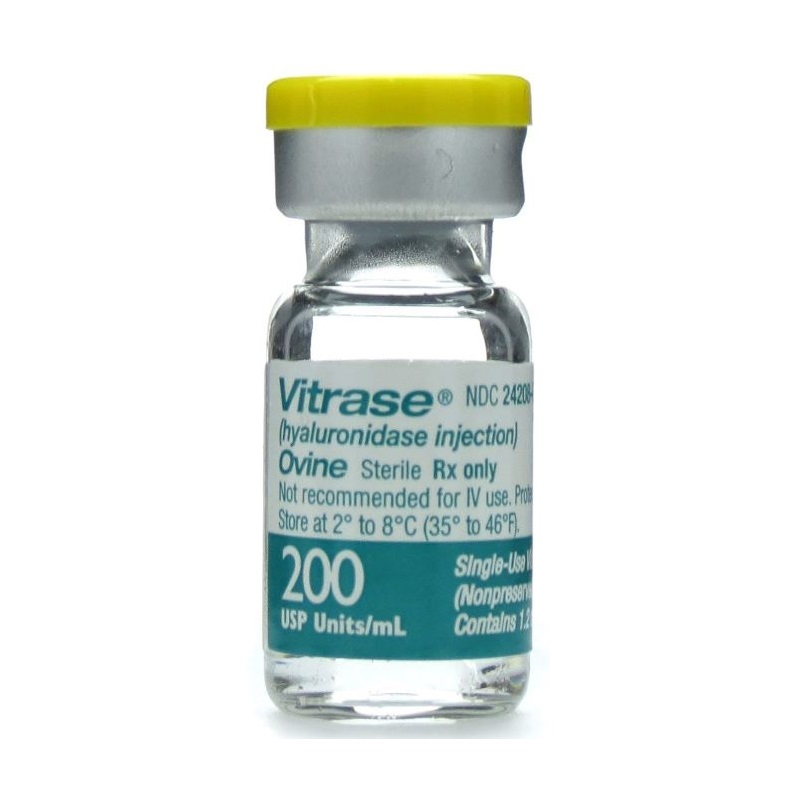
Hyaluronidase: Professional Dermal Filler Dissolving Solutions
In the sophisticated landscape of aesthetic medicine, the capacity to deliver superior results is only half the equation. The true benchmark of a high-level practice—and the mark of a truly professional injector—is the ability to maintain complete control over the treatment outcome. Whether you are performing routine contour refinements or managing rare, high-stakes complications, having access to premium, high-purity hyaluronidase is not merely a clinical convenience; it is a fundamental safety imperative.
Our collection of filler dissolvers provides the precision tools required by dermatologists, plastic surgeons, and aesthetic practitioners to reverse, correct, and optimize hyaluronic acid (HA) filler treatments. By sourcing only the highest quality pharmaceutical-grade enzymes, we ensure that you have the efficacy and reliability necessary to manage your patient’s care with total confidence.
The Science of Reversal: How Hyaluronidase Functions
Hyaluronidase is a proteolytic enzyme that serves as a powerful catalyst in the degradation of cross-linked hyaluronic acid. While the HA fillers used in modern aesthetics are designed for durability, structural integrity, and longevity, there are clinical instances where their removal becomes necessary.
At a cellular level, hyaluronidase functions through the hydrolysis of glycosidic linkages within the hyaluronic acid molecule. By cleaving these bonds, the enzyme effectively converts the dense, structured filler gel into a low-viscosity, liquid state. Once the filler is broken down, it is naturally metabolized and cleared through the body’s lymphatic system.
It is critical to note that high-purity hyaluronidase is highly selective. It targets the exogenous (injected) hyaluronic acid with precision, while having a negligible impact on the endogenous (naturally occurring) hyaluronic acid in the surrounding dermal tissues. This selectivity is what makes it an invaluable tool for precise corrective work.
Clinical Indications: When Professional Dissolution is Required
The utility of hyaluronidase extends far beyond emergency response. It is a versatile tool used by expert practitioners across a spectrum of clinical scenarios:
1. Corrective Aesthetic Refinement
Aesthetic outcomes are highly subjective, and patient preferences can evolve. Practitioners often utilize hyaluronidase to correct minor asymmetries, over-filled areas, or contour irregularities that detract from a harmonious result. Using micro-dosing techniques, you can dissolve small, specific depots of filler, allowing for a refined, balanced facial aesthetic without the need to dissolve an entire treatment area.
2. Management of Vascular Occlusions (VO)
While extremely rare with advanced injection techniques, vascular compromise remains a potential risk of dermal filler administration. In the event of skin ischemia or suspected vascular occlusion, rapid intervention is essential to prevent tissue necrosis. Our high-potency dissolvers are formulated to act swiftly, providing the necessary enzyme concentration to flood the affected field and restore perfusion.
3. Resolving the Tyndall Effect
The Tyndall effect—a bluish, translucent discoloration often seen when filler is placed too superficially—can be distressing for patients. Hyaluronidase provides a definitive solution, allowing the practitioner to break down the superficial deposits, thereby eliminating the discoloration and restoring the natural skin tone.
4. Addressing Migration and Granulomas
In dynamic areas of the face, filler can occasionally migrate from its original placement, or rarely, form inflammatory nodules (granulomas). Hyaluronidase facilitates the removal of these unwanted deposits, offering patients relief and returning the tissue to its healthy, baseline state.
Why Quality and Integrity Are Non-Negotiable
When you are sourcing dissolvers, you are sourcing safety. We recognize that these products are often used in critical situations, which is why our procurement standards are rigorous.
-
Enzymatic Stability: The efficacy of hyaluronidase is dependent on its stability. We prioritize manufacturers who utilize advanced stabilization techniques, ensuring that the enzyme remains potent from the time of production to the moment of reconstitution.
-
Cold-Chain Logistics: Hyaluronidase is a biologically sensitive compound. Many standard shipping methods are insufficient to protect its structural integrity. We utilize professional-grade, temperature-controlled logistics for every shipment, ensuring that the enzyme you receive is fully active and ready for clinical use.
-
Purity Profiles: We source products that meet strict pharmaceutical standards for purity. Reducing impurities is essential to lowering the risk of hypersensitivity and immunogenic responses during treatment.
Professional Best Practices: A Guide to Safety
As a professional supplier, we emphasize that hyaluronidase is a potent therapeutic agent. Its use should be restricted to qualified medical professionals who possess deep knowledge of facial anatomy, injection safety, and the protocols for managing potential allergic reactions.
Key considerations for your practice:
-
Reconstitution Protocols: The dilution ratio of the enzyme depends entirely on the clinical goal. Whether you are using a high-concentration solution for a vascular emergency or a diluted solution for delicate contouring, precision is key. Always follow the specific instructions provided by the manufacturer.
-
Patch Testing: In non-emergency scenarios, it is standard practice to perform a skin test to rule out hypersensitivity. This precautionary step protects both the patient and your clinical practice.
-
Post-Dissolution Management: Patients should be advised on the expected timeline for filler resolution. While the enzymatic reaction begins within minutes, it often takes 48 to 72 hours for the swelling to subside and for the full extent of the dissolution to become visible.
Frequently Asked Questions (FAQ)
How is hyaluronidase stored?
To maintain peak enzymatic activity, most hyaluronidase formulations require storage in a refrigerator (typically between 2°C and 8°C). Exposure to heat, light, or improper handling can compromise the product’s effectiveness. Always verify the storage requirements on the specific product label.
Can hyaluronidase dissolve all types of fillers?
Hyaluronidase is designed to dissolve hyaluronic acid (HA) fillers. It is not effective for dissolving non-HA fillers, such as those made from poly-L-lactic acid (PLLA), calcium hydroxylapatite (CaHA), or polycaprolactone (PCL). It is vital to understand the composition of the filler you are aiming to treat before starting the procedure.
Is there a risk of dissolving too much?
Yes, over-correction is a risk if the dosing is not calculated precisely or if the enzyme is allowed to diffuse into areas that do not require treatment. This is why we emphasize the importance of using high-quality products that allow for precise, predictable dosing.
How soon can a patient be re-filled after dissolving?
Clinical consensus generally suggests waiting a minimum of 2 to 4 weeks after the dissolution process before performing a new filler treatment. This waiting period allows the tissue to settle, the inflammatory response to fully subside, and ensures a clean baseline for the next procedure.
What are the side effects?
Like any injection, common side effects include minor bruising, swelling, and temporary redness at the injection site. Allergic reactions, while rare, are a known possibility. Every clinical environment where hyaluronidase is administered must have an emergency protocol in place to manage potential hypersensitivity.
Empowering Your Practice with Reliability
Your reputation is built on the results you deliver and the safety you provide. By ensuring your clinic is stocked with authentic, high-quality filler dissolvers, you are demonstrating a commitment to professional excellence that your patients can trust.
We are dedicated to providing the aesthetic community with the tools they need to achieve perfect outcomes. Browse our selection of premium hyaluronidase products and ensure your practice is always prepared with the most reliable corrective solutions available on the market today.
For technical specifications, dilution guidelines, or product-specific data, please refer to the documentation included with each product. If you have questions regarding our procurement standards or shipping protocols, our support team is available to assist you.